

Surgical & Specialty Care

Cataract Evaluation & Surgical Co-Management

Thorough evaluation, advanced IOL counseling, and coordinated care before and after cataract surgery.

Smiling older woman wearing glasses

How Care Is Coordinated

Cataract surgery is performed by affiliated surgeons at appropriate surgical facilities. Bronx Vision Center provides preoperative evaluation, IOL counseling, and postoperative co-management.

01

Cataract Symptoms

Cataracts develop gradually as the natural lens of the eye becomes cloudy. Common symptoms include:

  • ·Blurred or hazy vision
  • ·Increased glare and halos around lights — particularly at night
  • ·Faded or yellowed colors
  • ·Difficulty with reading or other near tasks
  • ·Frequent changes in glasses prescription

There are no drops, pills, exercises, or glasses that can reverse cataract development. When a cataract significantly affects your vision, surgery is the only way to restore clarity.

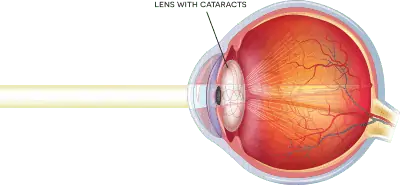
Diagram of an eye with a cataract clouding the natural lens
A cataract clouds the eye's natural lens, scattering light before it reaches the retina.
02

Cataract Evaluation

A comprehensive cataract evaluation at Bronx Vision Center includes assessment of visual acuity, lens clarity, and the impact of the cataract on your daily activities and quality of life. We discuss your visual goals and help you understand your options before any surgical decision is made.

03

Visual Goals & Surgical Consultation

Understanding your visual goals — including your preferences for distance, intermediate, and near vision, and your tolerance for glasses after surgery — is an important part of the evaluation process. We coordinate surgical consultation with trusted surgical partners when appropriate.

04

Preoperative Care

Before cataract surgery, we perform or coordinate the necessary preoperative measurements and evaluations to support accurate IOL selection and surgical planning. Ocular surface health is an important consideration in the preoperative period, and we address any surface issues that could affect surgical outcomes.

05

What Happens on Surgery Day

Cataract surgery is an outpatient procedure performed by your surgeon, most commonly at an ambulatory surgery center. There is no overnight stay.

  • ·Mild sedation is given and the eye is numbed with drops or an injection around the eye, so you do not feel the surgery.
  • ·A small incision is made in the cornea, and the cloudy lens is broken up with ultrasound and gently removed.
  • ·An intraocular lens (IOL) is placed where the cataract used to be. Most often the incision closes without sutures.
  • ·The surgery usually takes 15 to 30 minutes, and you go home the same day with a protective eye shield.
06

Femtosecond Laser-Assisted Cataract Surgery

Femtosecond laser technology may be used during selected cataract procedures for portions of surgical planning and treatment when clinically appropriate. Bronx Vision Center evaluates, counsels, and coordinates care for patients considering laser-assisted cataract surgery in collaboration with affiliated cataract surgeons. The laser-assisted procedure is performed at the surgical facility, not at Bronx Vision Center.

07

Postoperative Care & Co-Management

Following cataract surgery, we provide postoperative care and monitoring as part of a coordinated co-management arrangement with your surgeon. We monitor for healing, address any postoperative concerns, and manage the ocular surface as needed.

Lens Options

Advanced Cataract Surgery Options

Modern cataract surgery involves replacing the cloudy natural lens with an artificial intraocular lens (IOL). The goal is to help you understand the tradeoffs between distance, intermediate, and near vision — and to select the lens that best fits your visual goals, lifestyle, and ocular health. No IOL is universally superior; the right choice depends on your individual findings and priorities.

01

Standard Monofocal Vision

Standard monofocal IOLs provide clear vision at one focal distance — typically distance. Most patients who choose a monofocal IOL will require glasses for reading and intermediate tasks. This is a reliable, well-established option appropriate for many patients.
02

Astigmatism-Correcting Toric IOLs

Toric IOLs are designed to correct astigmatism in addition to the cataract. They may reduce dependence on glasses for distance vision in patients with significant corneal astigmatism. Toric versions of premium IOL designs are also available for patients who want both astigmatism correction and extended range of vision.

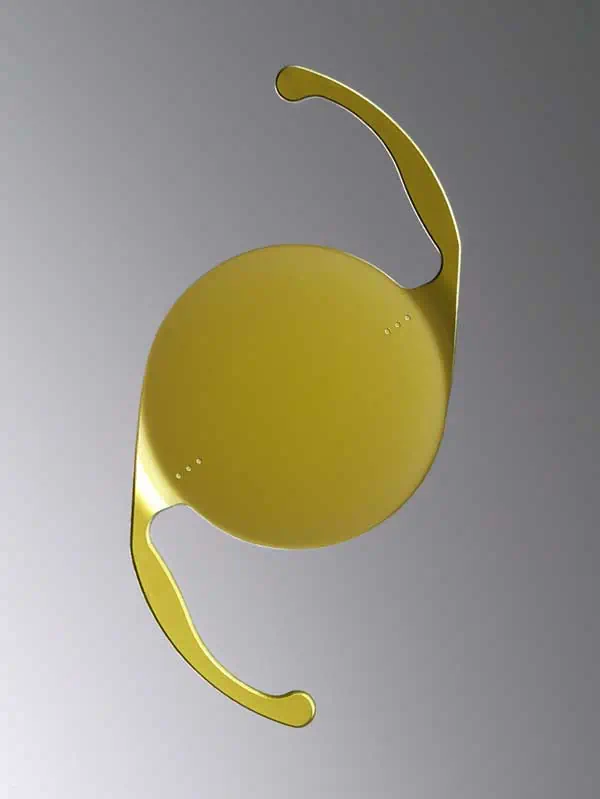
Diagram of a toric intraocular lens
03

PanOptix® Trifocal IOL

The PanOptix® trifocal IOL is designed to provide a range of vision — distance, intermediate, and near — in a single lens. It is a presbyopia-correcting option for patients who want to reduce dependence on glasses across multiple distances. Patient selection and realistic expectations are important; some individuals experience halos or glare, particularly at night.

04

Vivity™ Extended-Depth-of-Focus IOL

The Vivity™ IOL uses extended-depth-of-focus technology to provide a continuous range of vision from distance through intermediate, with reduced halos compared to some multifocal designs. Near vision may still require reading glasses in some patients. It may be a suitable option for patients who prioritize night-vision quality.

05

Extended-Depth-of-Focus (EDOF) IOLs

EDOF IOLs extend the range of clear vision beyond what a standard monofocal provides, offering good distance and intermediate vision. They generally produce fewer visual disturbances than multifocal designs, though near vision may still require reading glasses in some patients.

06

Multifocal & Presbyopia-Correcting Options

Multifocal IOLs provide multiple focal points, allowing some patients to see at distance and near without glasses. They are not appropriate for every patient — ocular health, corneal status, and lifestyle factors all influence whether a multifocal design is a good fit.

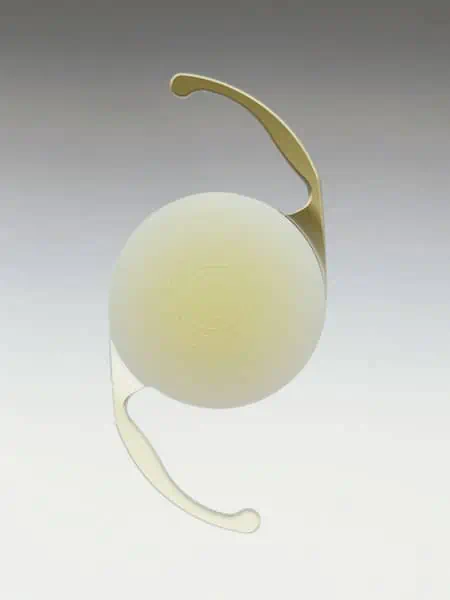
Diagram of a multifocal intraocular lens
07

Selected Rayner IOL Options

Rayner is an advanced intraocular lens manufacturer whose IOL options may be discussed when clinically appropriate. We evaluate all available lens technologies and discuss options based on your individual ocular findings and visual goals.

How We Approach Lens Selection

The appropriate lens depends on your ocular health, corneal status, degree of astigmatism, visual goals, lifestyle, night-vision priorities, and reading, intermediate, and distance needs — as well as your surgeon's recommendations. We take the time to explain the tradeoffs honestly so you can make an informed decision.

No IOL can guarantee spectacle independence. Results vary based on individual ocular anatomy, healing, and other factors. We discuss realistic expectations as part of the counseling process. Bronx Vision Center does not perform cataract surgery on-site; surgery is coordinated with affiliated surgical partners.

Schedule a Cataract Evaluation

Contact Bronx Vision Center to schedule a cataract evaluation or discuss your IOL options.