
Surgical & Specialty Care
Diabetic Eye Examinations
Regular dilated eye examinations are essential for patients with diabetes — helping to detect and monitor diabetic eye disease before vision is affected.
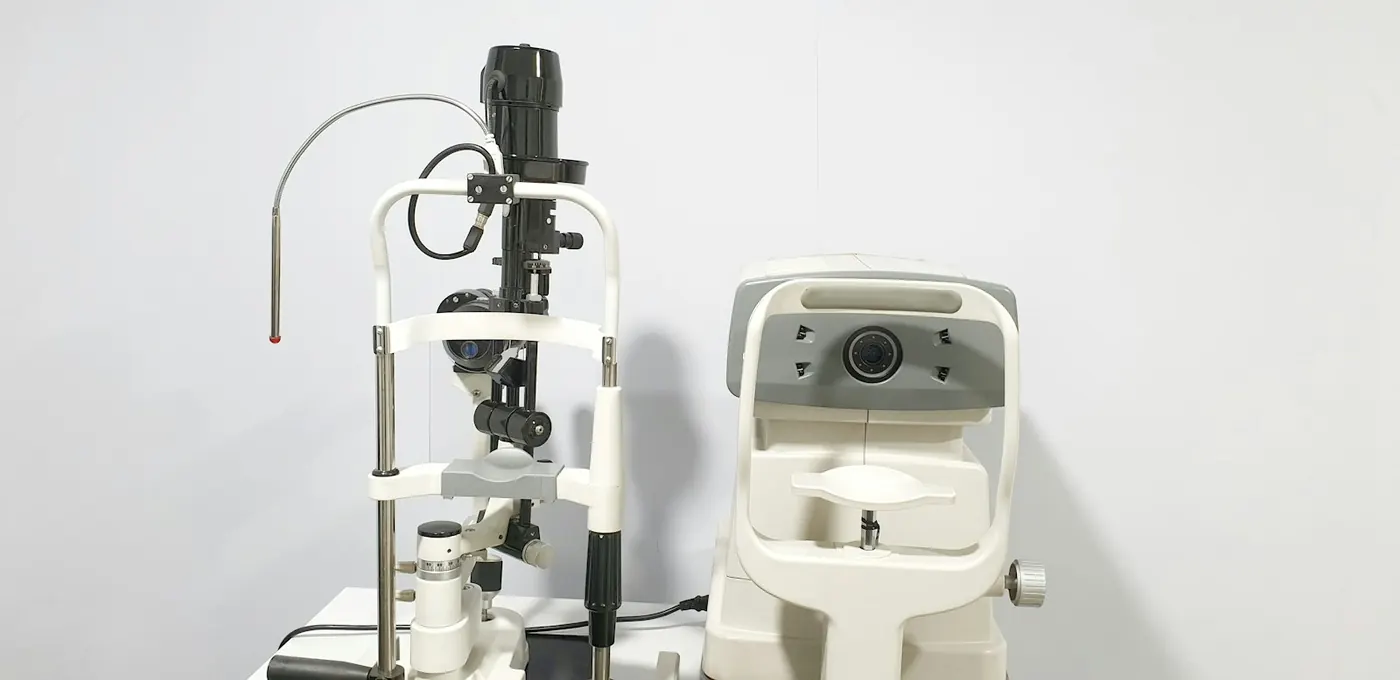
Retinal & Ocular Health Evaluation
Diabetes can affect multiple structures of the eye, including the retina, lens, and optic nerve. A dilated eye examination allows thorough evaluation of the retina and other ocular structures for signs of diabetic change.
Diabetic Retinopathy
Diabetic retinopathy is a leading cause of vision loss in adults with diabetes. It develops when elevated blood sugar damages the small blood vessels of the retina. Early detection through regular examination is critical, as many patients have no symptoms in the early stages.

Importance of Ongoing Monitoring
The frequency of diabetic eye examinations depends on the type of diabetes, duration, level of blood sugar control, and the presence or severity of retinal findings. We provide individualized monitoring schedules based on each patient's clinical status.
When Treatment Is Needed
Diabetic retinopathy is treated in different ways depending on the stage of the disease and the specific problem that requires attention. Many problems can be treated with much greater success when caught early.
- ·Laser treatment may be needed for clinically significant macular edema — swelling of the central retina — to seal leaking vessels.
- ·Pan-retinal photocoagulation (PRP) is a laser procedure that treats abnormal blood vessels throughout the retina to prevent diabetic complications.
- ·Other treatments may be available depending on the patient's condition.
When treatment is indicated, we coordinate referral to a retina specialist and continue to follow your eyes as part of your ongoing care.
Coordination with Primary Care & Endocrinology
Eye health in patients with diabetes is closely linked to systemic blood sugar control. We communicate with primary care physicians and endocrinologists as appropriate, and provide consultation reports to support coordinated care.
Consultation Reports
When requested or clinically appropriate, we provide written consultation reports to referring providers summarizing our findings and recommendations. Timely communication supports the best possible care for patients with diabetes.
Schedule a Diabetic Eye Examination
Contact Bronx Vision Center to schedule a diabetic eye examination.