
Dry Eye & Ocular Surface
Persistent symptoms require better questions.
Burning, redness, tearing, fluctuating vision, lid discomfort, and contact-lens intolerance can reflect multiple interacting problems. Identifying which combination is driving a patient's symptoms requires a systematic approach — not a single diagnosis.
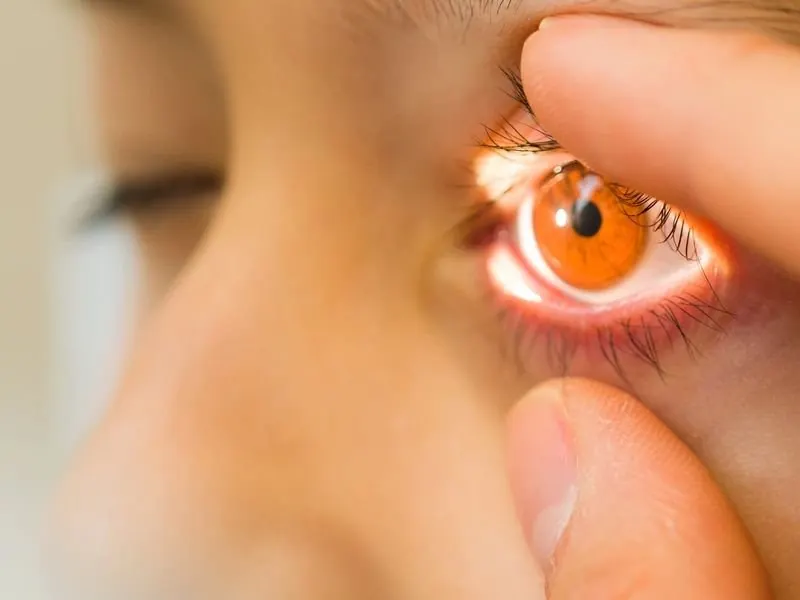
A Clinical Priority
Ocular surface disease is a clinical priority at Bronx Vision Center.
Dry eye disease is among the most prevalent and most undertreated conditions in eye care. Patients are frequently told their eyes are dry, given artificial tears, and sent home. When symptoms persist, the question is rarely whether the diagnosis is correct — it is whether the full picture has been evaluated.
Dr. Kabiri has dedicated a significant portion of his clinical and educational career to the evaluation and management of dry eye, meibomian gland dysfunction, ocular surface inflammation, and related conditions. Patients who have not found lasting relief elsewhere are welcome.

Conditions We Evaluate & Manage
Ocular Surface Conditions
Dry Eye Disease
A chronic condition in which the eyes do not produce sufficient tears, or the tears produced are of inadequate quality to maintain a stable ocular surface. Symptoms may include dryness, burning, irritation, tearing, and fluctuating vision.
Tear-Film Instability
The tear film is a complex, layered structure that protects and lubricates the ocular surface. Instability in any layer — aqueous, lipid, or mucin — can produce symptoms of dry eye and ocular surface disease.
Meibomian Gland Dysfunction (MGD)
The meibomian glands produce the lipid layer of the tear film. Dysfunction of these glands is one of the most common causes of evaporative dry eye and is frequently associated with chronic lid margin disease.
Blepharitis
Inflammation of the eyelid margins, often associated with bacterial overgrowth, Demodex infestation, or seborrheic changes. Blepharitis can contribute to tear-film instability, ocular surface irritation, and recurrent styes.
Eyelid-Margin Disease
Chronic changes to the eyelid margins — including thickening, irregularity, and altered gland function — can significantly affect ocular surface health and tear-film quality.
Ocular Surface Inflammation
Inflammation plays a central role in the pathophysiology of dry eye disease. Identifying and addressing inflammatory contributors is an important component of comprehensive ocular surface management.
Chronic Redness, Burning & Irritation
Persistent ocular redness, burning, and irritation are common presentations of ocular surface disease. These symptoms warrant thorough evaluation to identify underlying causes and guide appropriate treatment.
Fluctuating Vision & Tearing
Paradoxical tearing — excessive tearing in the setting of dry eye — and fluctuating or blurred vision are frequently reported by patients with tear-film instability and ocular surface disease.
Contact-Lens Intolerance
Many patients with underlying ocular surface disease experience difficulty tolerating contact lenses. Addressing the ocular surface condition often improves contact lens comfort and wearing time.
Environmental & Medication Contributors
Environmental factors — including low humidity, air conditioning, and prolonged screen use — and systemic medications can contribute to or worsen dry eye symptoms. A thorough history helps identify modifiable contributors.
Cataract & Post-Surgical Care
Patients who have undergone cataract surgery, LASIK, or other ocular procedures may experience new or worsened ocular surface symptoms. Careful evaluation and individualized management are important in the post-surgical setting.
Our Approach
A treatment plan built around your eyes — not a protocol.
Ocular surface disease rarely has a single cause, so it rarely has a single fix. After a detailed evaluation of the tear film, eyelids, meibomian glands, and ocular surface, we build a customized plan that combines medical therapy with in-office procedures when they are appropriate — and we adjust it as your eyes respond.
Evaluate
We identify which factors are driving your symptoms: tear-film instability, gland dysfunction, eyelid-margin disease, inflammation, Demodex, exposure, medications, or environment.
Treat Medically
Prescription therapies, eyelid and gland care, and targeted treatment of inflammation and lid-margin disease form the foundation of most plans.
Treat In-Office — When Appropriate
For patients who need more than medication, we offer in-office procedures that treat the eyelids, glands, and ocular surface directly. This includes Tixel i for appropriate adults with evaporative dry eye associated with MGD. We recommend procedures only when examination findings support them.
Follow-up visits track your response so the plan can be refined over time.
In-Office Treatment for Meibomian Gland Dysfunction
Tixel i
For appropriate adult patients with evaporative dry eye associated with meibomian gland dysfunction (MGD), Bronx Vision Center offers Tixel i, an in-office treatment that applies controlled localized heat and pressure to the eyelids. The goal is to address obstructed or dysfunctional meibomian glands that contribute to an unstable tear film and excessive tear evaporation.
Possible treatment plans may combine:
- ·Prescription therapy
- ·Eyelid and gland care
- ·Treatment of inflammation
- ·Management of Demodex or lid-margin disease when present
- ·Ocular-surface protection
- ·In-office procedures such as Tixel i when clinically appropriate
Tixel i is one component of an individualized ocular-surface treatment plan. It is not a universal treatment for every form of dry eye, and it does not cure dry eye disease or guarantee symptom resolution.
Schedule an Advanced Dry Eye Evaluation
If you have been living with persistent dry eye symptoms or have not found lasting relief, contact Bronx Vision Center to schedule a dedicated dry eye evaluation.